Scratched Mono Textured I: A Designer's Review
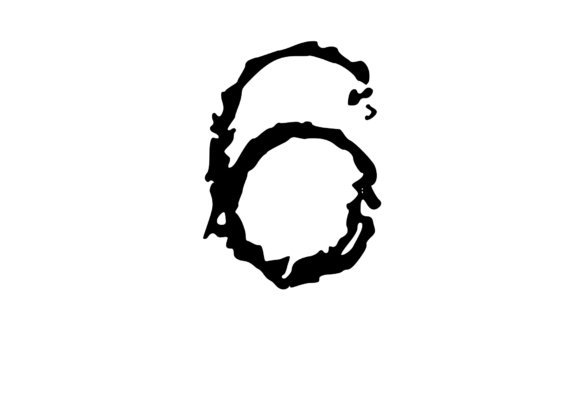
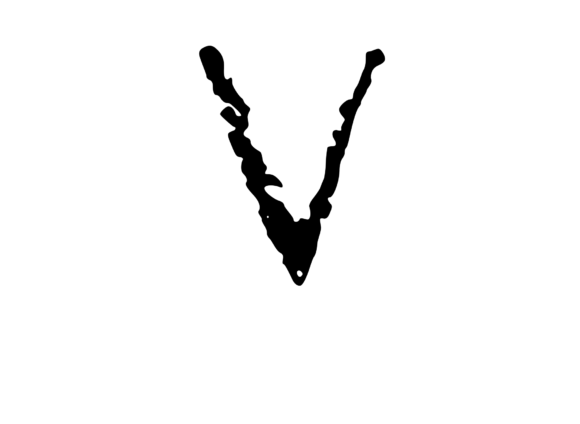
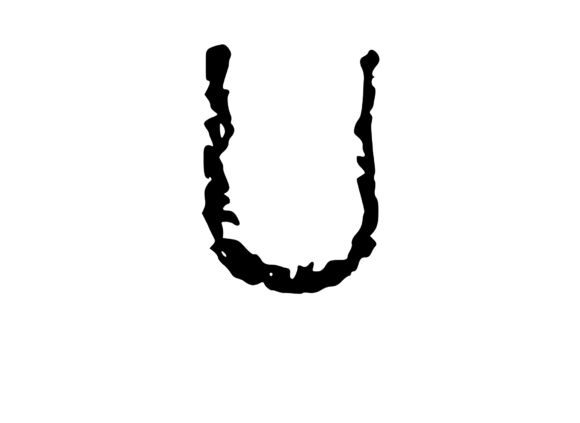
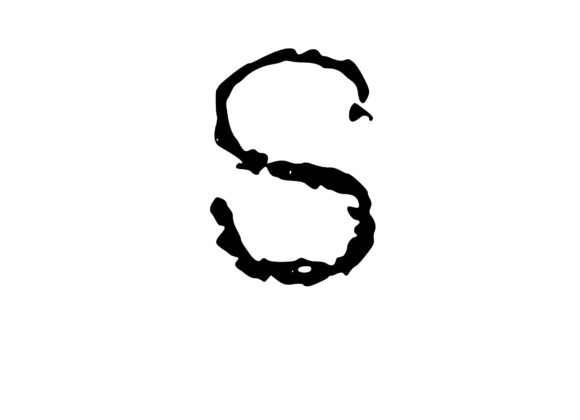
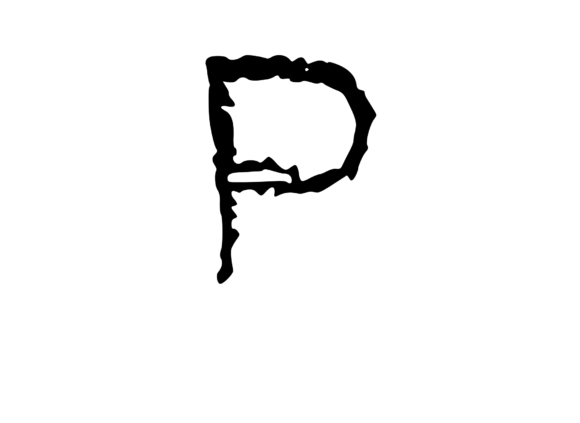
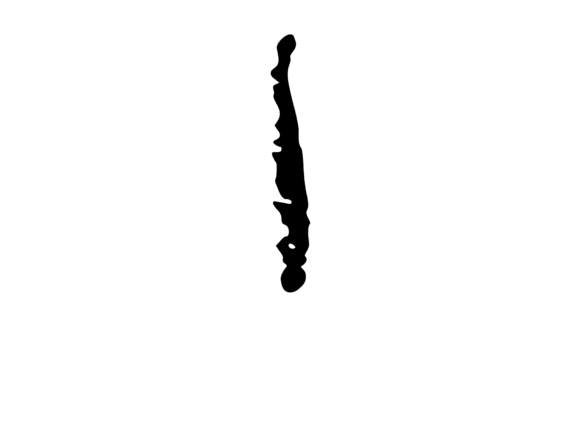
When I first opened the Scratched Mono Textured I file, I was immediately drawn to its raw, hand-drawn personality. This isn't a perfectly polished, mass-produced letterform. It feels like something you might sketch on a scrap of paper while thinking through a design problem — then decide to keep because the imperfection is exactly what makes it interesting. For anyone running a craft business or selling handmade products, that kind of character is gold.
The letter "O" in this design has a slightly distressed, scratched surface that reads like natural wear. It's not aggressive or grunge — it's subtle, like the texture of an old chalkboard or a well-loved leather tag. The shape is clean enough to remain readable at a glance, but the texture gives it a tactile, lived-in feel. That balance between clarity and character is hard to find in ready-made design assets, and it immediately made me think about where this would shine in real embroidery projects.
First Impressions and Visual Mood
The mood of Scratched Mono Textured I is casual, confident, and slightly vintage. It doesn't try to be elegant or formal. Instead, it feels like something you'd find on a boutique tote bag at a local market or stitched onto a well-worn denim jacket. The distressed texture works well for projects that want to feel approachable and authentic rather than stiff and corporate.
When I look at this embroidery file, I see a design that would appeal to customers who value individuality. It's not trying to please everyone — and that is a strength. For Etsy sellers and small shop owners, designs with a distinct voice help your products stand out in a crowded feed. The scratched texture gives the letter a story, and customers love buying products that feel like they have a story behind them.
As a machine embroidery design, the level of detail here is moderate. The scratches aren't so fine that they'll disappear in the stitch, but they are delicate enough to require attention during setup. The design rewards someone who takes the time to test thread colors and stabilizer choices before committing to a full production run.
Real Project Application: The Embroidered Tote Bag
Let me walk through a realistic scenario. I recently prepared a batch of custom tote bags for a small boutique that wanted a simple, monogrammed look with an edgy twist. We used Scratched Mono Textured I as the central letter on each bag, paired with a neutral linen-cotton blend fabric.
Stitching the design onto medium-weight canvas was straightforward. The stitch density felt appropriate for a durable handmade product like a tote bag — not so dense that it puckered the fabric, but solid enough that the texture read clearly. I used a medium-weight stabilizer and a standard 40-weight thread. The scratched effect translated beautifully into a combination of satin stitch and running stitch details that mimicked the original SVG texture.
The boutique owner later told me that customers specifically commented on the lettering. They said it looked "special" and "not like something you'd buy at a big store." That kind of feedback is exactly what small business owners need to hear. Scratched Mono Textured I helped elevate a simple tote bag into a personalized gift that felt intentional.
I could also see this working beautifully on a sweatshirt embroidery project. The casual, textured letter matches the relaxed feel of fleece or French terry. On a custom apparel piece like a hoodie or crewneck, this design would read as understated and cool — not loud, but noticeable enough to start a conversation.
Other Product Ideas for This Design
Beyond tote bags and sweatshirts, I have tested Scratched Mono Textured I in several other applications with strong results:
- Embroidered patches — The distressed texture looks fantastic on a twill patch sewn onto a jacket or backpack. It gives the patch a heirloom-quality feel right from the start.
- Baby embroidery — Surprisingly, this design works on baby onesies or bibs if you use soft pastel thread colors. The texture reads as sweetly vintage rather than rough.
- Pillow covers — A single monogram on a linen pillow cover using this design makes for a refined holiday gift or housewarming present.
- Kitchen towels — The texture withstands washing well when stitched with quality thread. It adds a artisan touch to everyday crafts.
- Aprons — For a bakery or coffee shop brand, this letter on an apron feels authentic and handcrafted.
Where to Use This Design Carefully
No design is perfect for every situation, and Scratched Mono Textured I has some limitations worth noting. I always tell embroidery designers and creative entrepreneurs to pay attention to these points before committing to a project:
- Small hoop sizes — In very small hoops, the scratched details may lose definition. The texture needs enough space to read clearly. For tiny items like collar details or cuff embroidery, test a scaled-down version first.
- Thin or stretchy fabric — On lightweight fabrics like silk or thin jersey, the stitch density may cause puckering. Use a cutaway stabilizer and test on scraps before stitching the final piece.
- Dark fabric backgrounds — The scratched texture relies on contrast. On very dark fabrics, choose a thread color that stands out clearly. White, cream, or metallic thread works well.
- Curved surfaces like caps — The design is simple enough to fit on a cap front, but the texture must be aligned carefully to avoid distortion on the curve. A hoop size that matches the cap frame is essential.
- Dense stitch areas — While the overall density is moderate, the scratched details create small clusters of stitches. Avoid overlapping these areas with other dense elements to prevent thread breakage or fabric damage.
Visual Appeal and Product Value
When customers see Scratched Mono Textured I on a finished product, they perceive value. The texture signals that the piece was made with care — it looks like it took time to achieve that effect. In a world of mass-produced, sterile lettering, a design with honest texture feels premium.
For commercial embroidery projects, this design helps establish brand consistency if you use the same letterform across multiple products. Imagine a small boutique using this letter for all their monogrammed items — totes, caps, towels, and patches. The scratched texture becomes a signature style that customers recognize and trust.
Buyer engagement also tends to be higher with designs that have a distinctive look. In my experience, products featuring Scratched Mono Textured I generate more questions at craft fairs and more saves on Etsy. People want to know how the texture was achieved and whether they can request a different letter. That curiosity translates into sales.
In printable mockups and digital product previews, this design photographs well because the texture catches light subtly. For Etsy sellers listing personalized items, using a mockup that shows the scratched detail will help your listing stand out in search results and social media feeds.
Practical Designer Notes for Best Results
Before you stitch Scratched Mono Textured I onto anything you intend to sell, I recommend a few testing steps. These are habits I have developed over years of working with machine embroidery designs and applique designs, and they save time and materials in the long run.
- Test on scrap fabric first. Use the same fabric weight and stabilizer you plan to use for the final product. Stitch the design and evaluate how the scratched texture reads.
- Check thread color contrast. The texture is most visible when there is enough contrast between thread and fabric. Test a few color options, especially if you are stitching on a patterned or textured base.
- Review stitch density. If the design feels too dense for your chosen fabric, consider using a lighter stabilizer or reducing the stitch count slightly. Do not sacrifice the texture, though — that is the selling point.
- Inspect small details. Use a magnifying lamp or take a close-up photo of the stitched sample. Look for any pulled threads or gaps in the scratches that might need adjustment.
- Test in black and white mockups. Before stitching, preview the design in grayscale to see if the texture reads well without color distraction. This is a trick I use for all design assets.
- Compare light and dark fabric backgrounds. A design that looks stunning on cream linen may feel weak on black twill. Test both ends of the value spectrum.
- Use proper stabilizer. For the scratched texture to stay crisp, use a cutaway stabilizer for most woven fabrics and a tearaway for stable materials like canvas or denim.
Commercial Use and Licensing Considerations
If you are a digital product seller or a creative entrepreneur, always verify the license terms for Scratched Mono Textured I before using it in commercial projects. Since the product description states that it is a great choice for all artists, designers, and crafters and encourages proud reproduction of the letter, I assume the intent is broad use. However, I strongly recommend checking the specific license provided with your purchase to confirm whether you can sell finished products featuring the design or whether it is limited to personal projects. Some Graphics assets in the Crafts category come with restrictions on resale or digital distribution. When in doubt, contact the seller directly and keep a record of the conversation.
In my own practice, I keep a folder of license confirmations for every design I use in commercial embroidery. It protects my small shop and gives me confidence when scaling production for wholesale orders or large events.
Final Thoughts on Scratched Mono Textured I
Scratched Mono Textured I is a design that understands the value of restraint. It does not try to impress with complexity or flashy effects. Instead, it offers a subtle, tactile quality that makes every project feel a little more personal and a lot more intentional. For apparel decorators, handmade shop owners, and hobbyists alike, this is the kind of embroidery file that delivers reliable results while leaving room for your own creative touch.
Whether you are stitching a single personalized gift for a friend or producing a batch of boutique merchandise for a craft fair, this design holds its own. Test it carefully, pair it with the right materials, and let the scratched texture do the talking. Your customers will notice the difference — and they will keep coming back for more.